FREEDMEN UNIVERSITY
Lineage Heritage Delineation
Power is The Ability to Define Phenomena and Make it Act in a Desired Manner. - Huey P. Newton
W. A .W.G
Great Vocalist
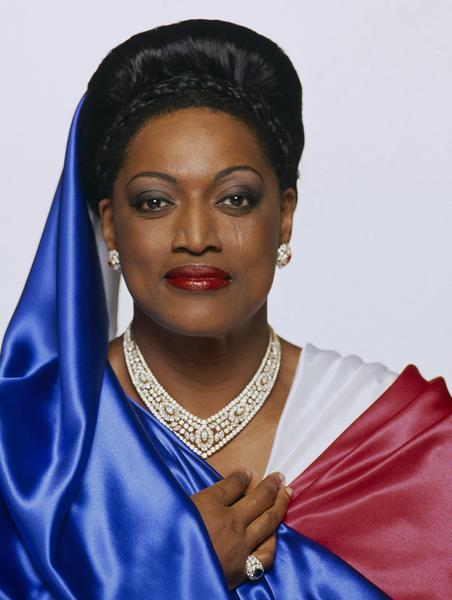
Jessye Mae Norman
was a Foundational Black American Opera Singer and Recitalist.
She was able to perform dramatic soprano roles, but did not limit herself to that voice type.
A commanding presence on operatic, concert and recital stages, Norman was associated with roles including Beethoven's Leonore, Wagner's Sieglinde and Kundry, Berlioz's Cassandre and Didon, and Bartók's Judith.
The New York Times music critic Edward Rothstein described her voice as a "grand mansion of sound" that "has enormous dimensions, reaching backward and upward.
It opens onto unexpected vistas. It contains sunlit rooms, narrow passageways, cavernous halls.
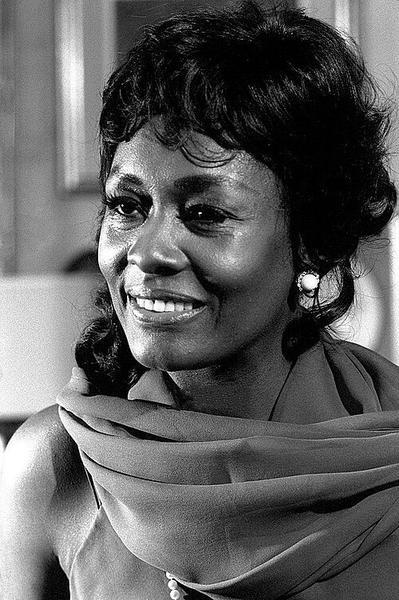
Shirley Verrett
was an Foundational Black American Operatic Mezzo-Soprano who successfully transitioned into soprano roles making her a Soprano sfogato.
Verrett enjoyed great fame from the late 1960s through the 1990s; she was particularly known for performing works by Giuseppe Verdi and Gaetano Donizetti.
Verrett attended Oakwood University, a private historically black Seventh-Day Adventist university in Huntsville, Alabama, for a semester in 1949, but then returned to southern California and completed an associate degree in real estate at Ventura College.
Though successful as a real estate agent, Verrett reconsidered her career choice and started serious voice study.
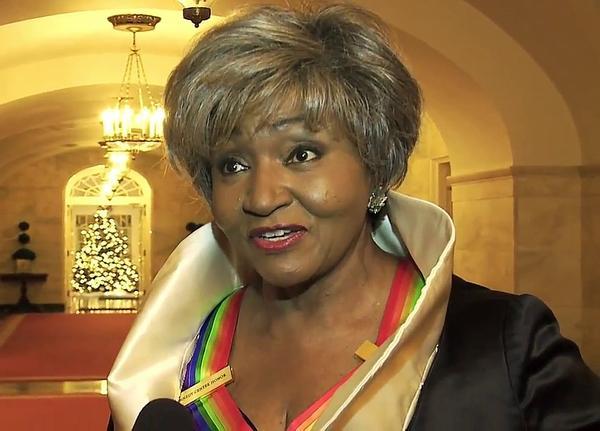
Grace Bumbry
was a Foundational Black American Opera Singer, considered one of the leading mezzo-sopranos of her generation, who also ventured to soprano roles.
A pioneer among African-American classical singers, she gained international acclaim as Venus in Tannhäuser at the 1961 Bayreuth Festival, the first black singer to appear there.
Bumbry's voice was rich and dynamic, possessing a wide range, and was capable of producing a very distinctive plangent tone.
In her prime, she also possessed good agility and bel canto technique, as for example her rendition of Eboli in Verdi's Don Carlo in the 1970s and 1980s. She was particularly noted for her fiery temperament and dramatic intensity on stage.
Later, she also became known as a recitalist and interpreter of lieder, and as a teacher.
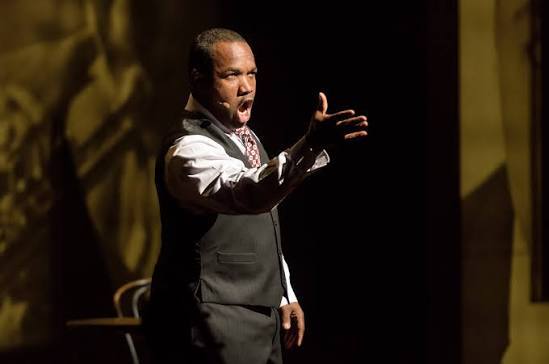
Lawrence Brownlee
is a Foundational Black American Operatic Tenor particularly associated with the bel canto repertoire.
Describing his voice, Speight Jenkins, general director of the Seattle Opera, said: "There are other singers that sing this repertory very well, but I don't think anyone else has quite as beautiful a sound and as rounded a tone," and praise his "incredible top notes", adding about his high F in "Credeasi, misera": "With him it's not a scream, it's a beautiful sound."
Mezzo-soprano Joyce DiDonato added: "He is always in service of the music.
His natural instrument is just incredibly beautiful.
The word 'honey' comes to mind.
He also has technical prowess and agility. Brownlee was born in Youngstown, Ohio.
He grew up without much exposure to classical music but had an extremely musical childhood, playing trumpet, guitar and drums, and singing Gospel music in church.
His first gigs were at an amusement park in Sandusky, Ohio, singing pop and show tunes.
Brownlee attended Anderson University in Indiana for his undergraduate degree and Indiana University Jacobs School of Music for graduate studies.
He studied with tenors Dr. David Edgar Starkey and Dr. Fritz Robertson, and soprano Costanza Cuccaro.
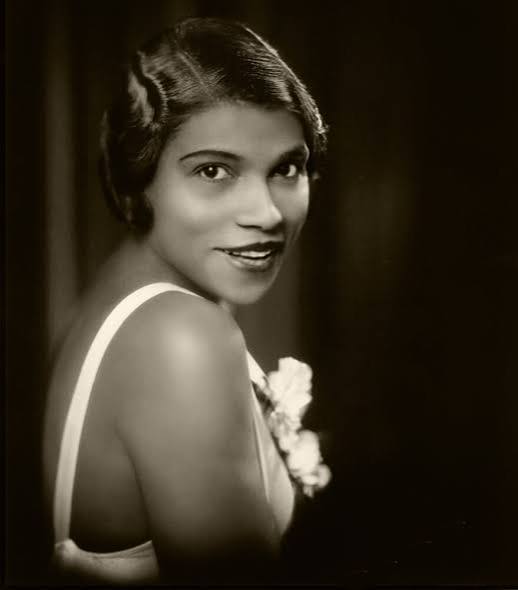
Marian Anderson
was a Foundational Black American Contralto.
She performed a wide range of music, from opera to spirituals.
Anderson performed with renowned orchestras in major concert and recital venues throughout the United States and Europe between 1925 and 1965.
Anderson was an important figure in the struggle for Foundational Black American artists to overcome racial prejudice in the United States during the mid-twentieth century.
In 1939, during the period of racial segregation, the Daughters of the American Revolution (DAR) refused to allow Anderson to sing to an integrated audience in Constitution Hall in Washington, D.C.
The incident placed Anderson in the spotlight of the international community on a level unusual for a classical musician.
With the aid of First Lady Eleanor Roosevelt and her husband, President Franklin D. Roosevelt, Anderson performed a critically acclaimed open-air concert on Easter Sunday, April 9, 1939, on the Lincoln Memorial steps in the capital.
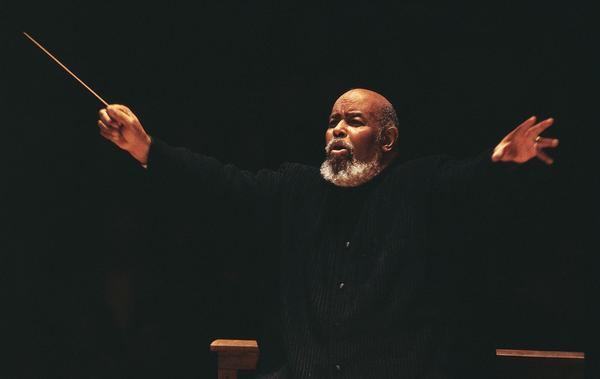
James DePreist
was a Foundational Black American Conductor.
DePreist was one of the first Black American conductors on the world stage.
He was the director emeritus of conducting and orchestral studies at The Juilliard School and laureate music director of the Oregon Symphony at the time of his death.
DePreist was born in Philadelphia in 1936.
He was the nephew of contralto Marian Anderson.
He was in the 202nd Class at Central High School, Philadelphia, graduating in June, 1954.
DePreist studied composition with Vincent Persichetti at the Philadelphia Conservatory while earning a bachelor's degree at the Wharton School of the University of Pennsylvania and a master's degree from the Annenberg School for Communication at the University of Pennsylvania in 1958.
On the side, he played percussion in a jazz quintet that performed on "The Tonight Show" with Steve Allen in 1956, and did enough composing to win a commission from the Philadelphia Dance Academy.
That commission gave DePreist his first chance to conduct
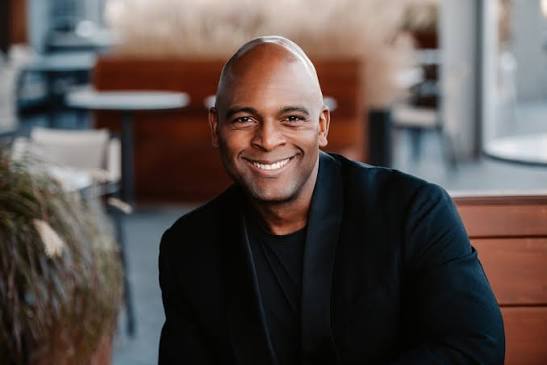
Ryan Speedo Green
is a Foundational Black American Bass-Baritone Opera Singer.
Green earned a Bachelor of Music degree at the Hartt School of Music and a Master of Music at Florida State University.
He won several singing competitions.
In March 2011, he was one of the five winners of the Metropolitan Opera National Council Auditions.
Following an article by Daniel Bergner in The New York Times about Green and his win in that competition, HarperCollins expressed interest in publishing his biography.
It was published in October 2016 with the title Sing for Your Life: A Story of Race, Music, and Family.
In 2014 he received the George London Foundation Award, won first prize of the Gerda Lissner Foundation, was a finalist in Palm Beach Opera's singing competition, and graduated from the Metropolitan Opera's Lindemann Young Artist Development Program.
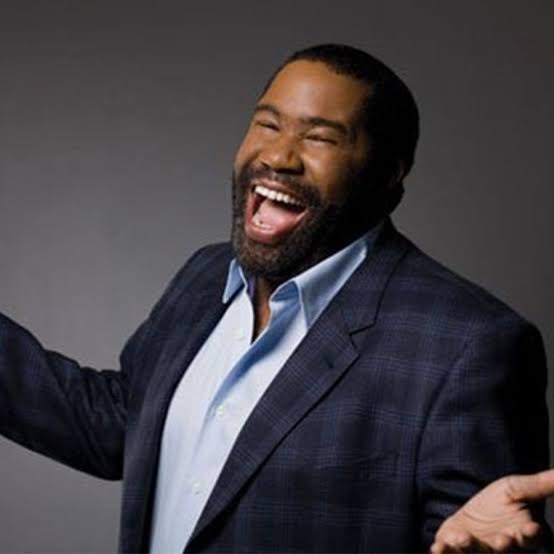
Eric Owens
is a Foundational Black American Operatic Bass-Baritone. He has performed both in new works and reinterpreted classic repertoire. In 1996 he won the Metropolitan Opera National Council Auditions.
Born in Philadelphia, Owens began studying the piano at the age of 6 at the Settlement Music School. In junior high school his interest shifted to the oboe and he began studying the oboe at the Settlement Music School with English-horn player Louis Rosenblatt of the Philadelphia Orchestra. He later continued his oboe studies with Laura Ahlbeck, a second oboe in the Metropolitan Opera orchestra, while attending Central High School in Philadelphia. During his senior year at Central High, he entered the pre-college program at Temple University's Boyer College of Music and Dance where he began studying singing seriously with George Massey. He matriculated to Temple as a Freshman in 1989 and earned a Bachelor of Music in Vocal Performance from the school in 1993.
After graduating with a master's degree from Curtis, Owens joined the young artist program at the Houston Grand Opera where he made his debut as Ramfis in Aida.
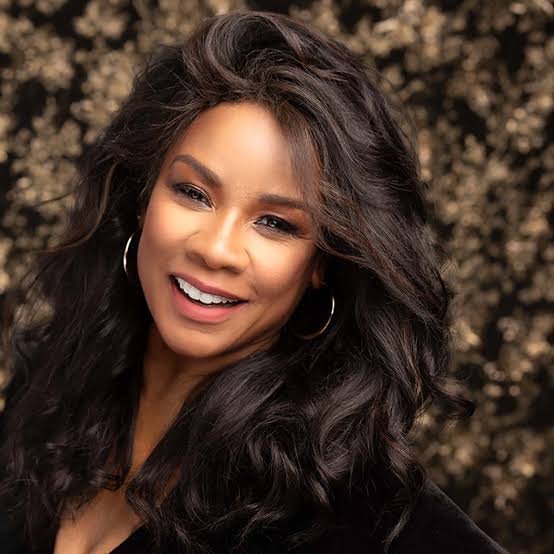
Denyce Graves
is a Foundational Black American Mezzo-Soprano Opera Singer.
Graves was born on March 7, 1964, in Washington, D.C., to Charles Graves and Dorothy (Middleton) Graves-Kenner.
She is the middle of three children and was raised by her mother on Galveston Street, S.W., in the Bellevue section of Washington.
Despite Graves' shyness, her mother encouraged her to sing in church as a child.
She took music lessons with Judith Allen, who took her to watch rehearsals of D.C.'s All City Chorus at Constitution Hall.
At age 13, Graves heard a record of Puccini arias sung by Leontyne Price, and decided she wanted to become an opera singer.
In 1985, she signed a contract with the Tulsa Opera and performed in Porgy and Bess and The Magic Flute.
She worked at the Wolf Trap Opera Company, which provides further training and experience for young singers who are between their academic training and full-time professional careers.
Soon after, she was invited by David Gockley to participate in the Houston Opera Studio, from 1988 to 1990, where she studied with Elena Nikolaidi.

Lineage Heritage Delineation
WE ALL WE GOT